
TREATMENT TECHNIQUES
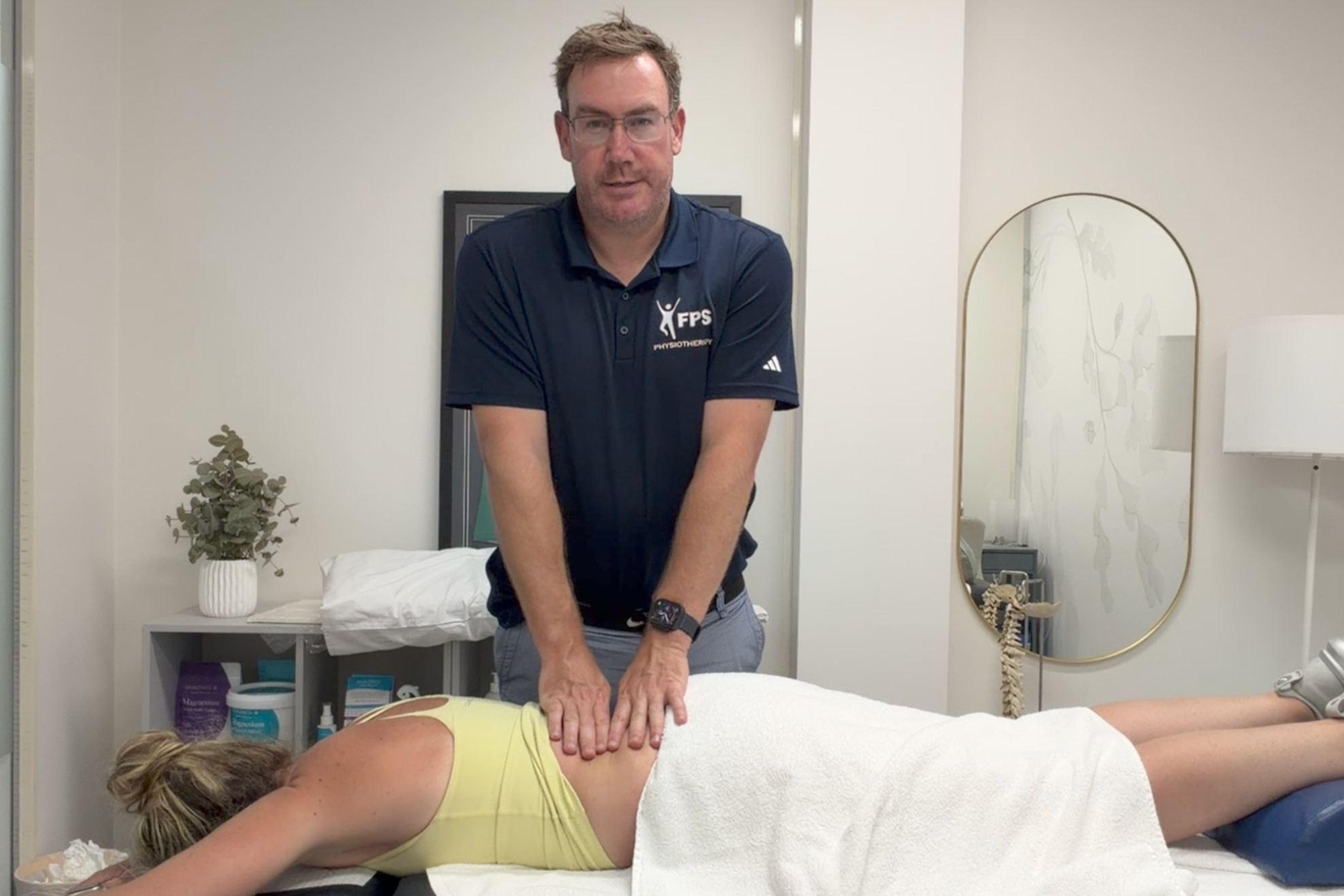
Joint Mobilisations
Joint mobilisation is a hands-on physiotherapy technique where the physiotherapist applies controlled, passive movements in a graded oscillatory manner. This movement causes mechanical effects (stretches the joint capsule and periarticular tissues), neurophysiological effects (pain modulation), and improved proprioceptive feedback. The result is restoration of joint mobility, reduced pain, and improve function.
Strapping
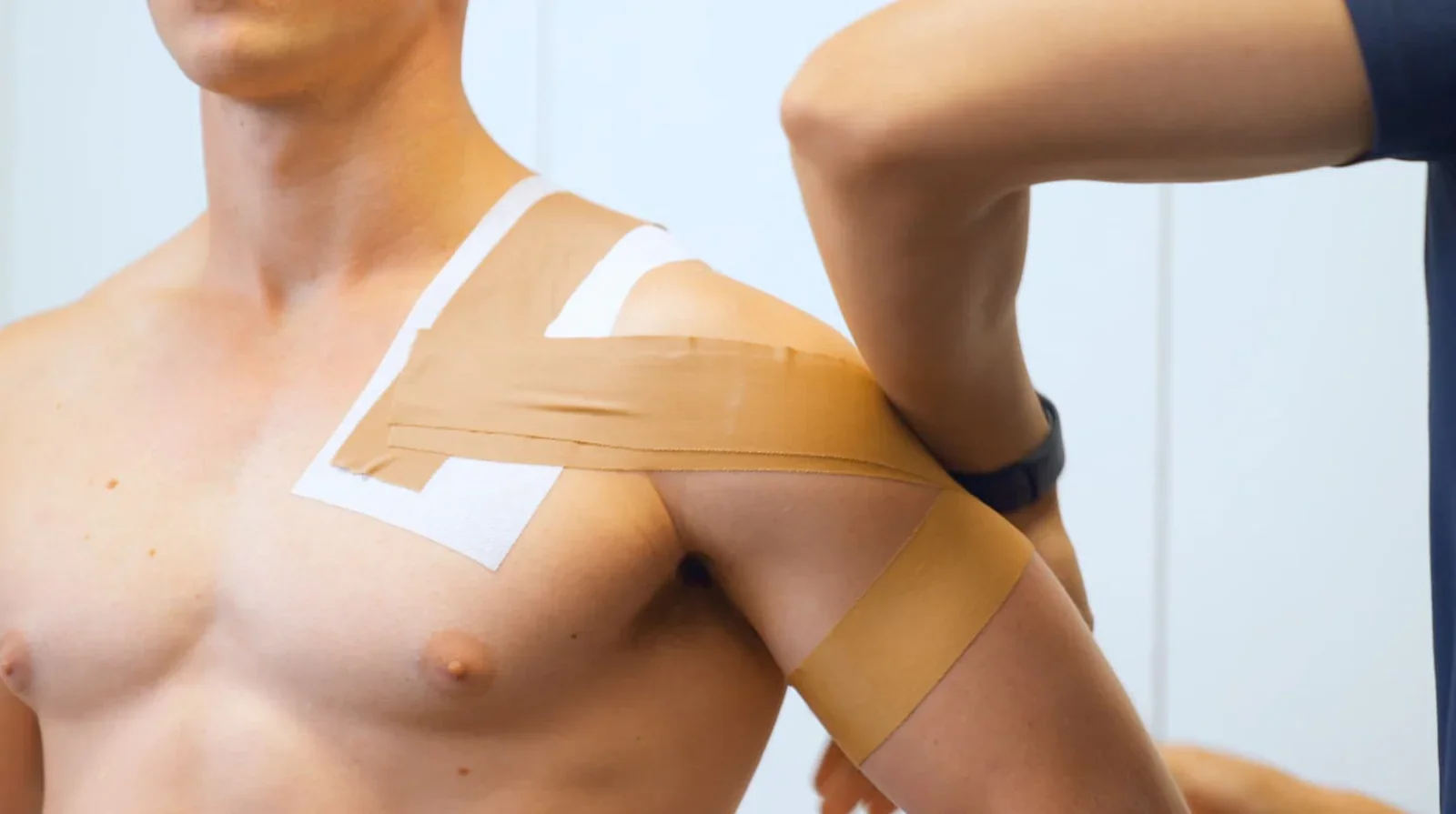
Joint strapping is the application of adhesive tape or specialised strapping materials to support, protect or restrict movement of a joint. It is commonly used provide:
Mechanical support: limits excessive joint movement to protect damaged ligaments or healing tissues.
Pain reduction: offloads injured structures and reduces abnormal stress that provokes pain.
Proprioceptive enhancement: increases sensory input around the joint, which can improve neuromuscular control and dynamic stability.
Joint Manipulation
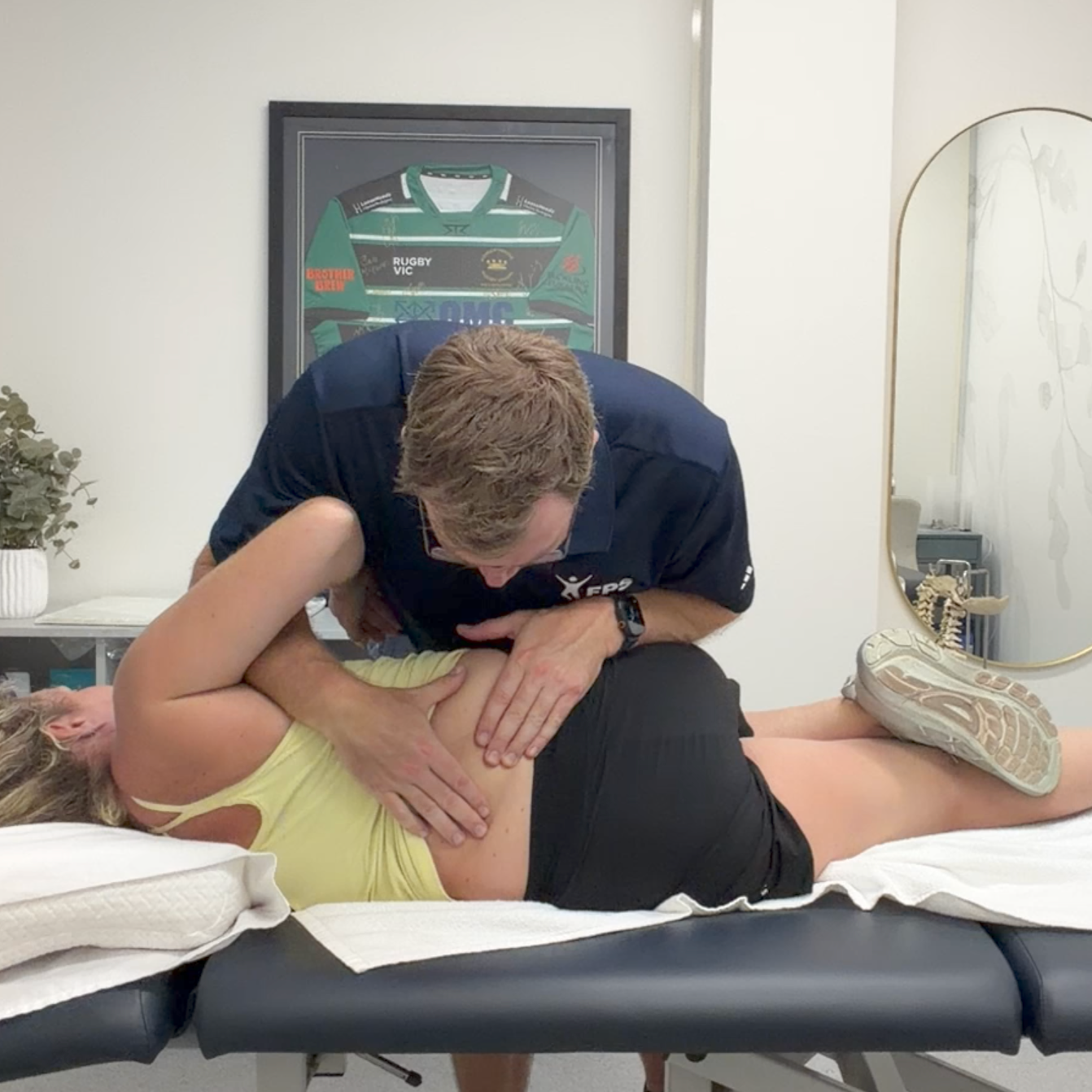
Joint manipulation is a manual therapy technique which involves a skilled, high‑velocity, low‑amplitude (HVLA) thrust at the end of a joints range of motion. It can improve joint function, reduce pain and restore normal movement by stimulating the joint mechanoreceptors which can reduce muscle tone. Additionally the rapid joint movement can produce a cavitation (the characteristic “pop”), which is related to a change in the intra‑articular pressure.
Personalised Exercise Programs
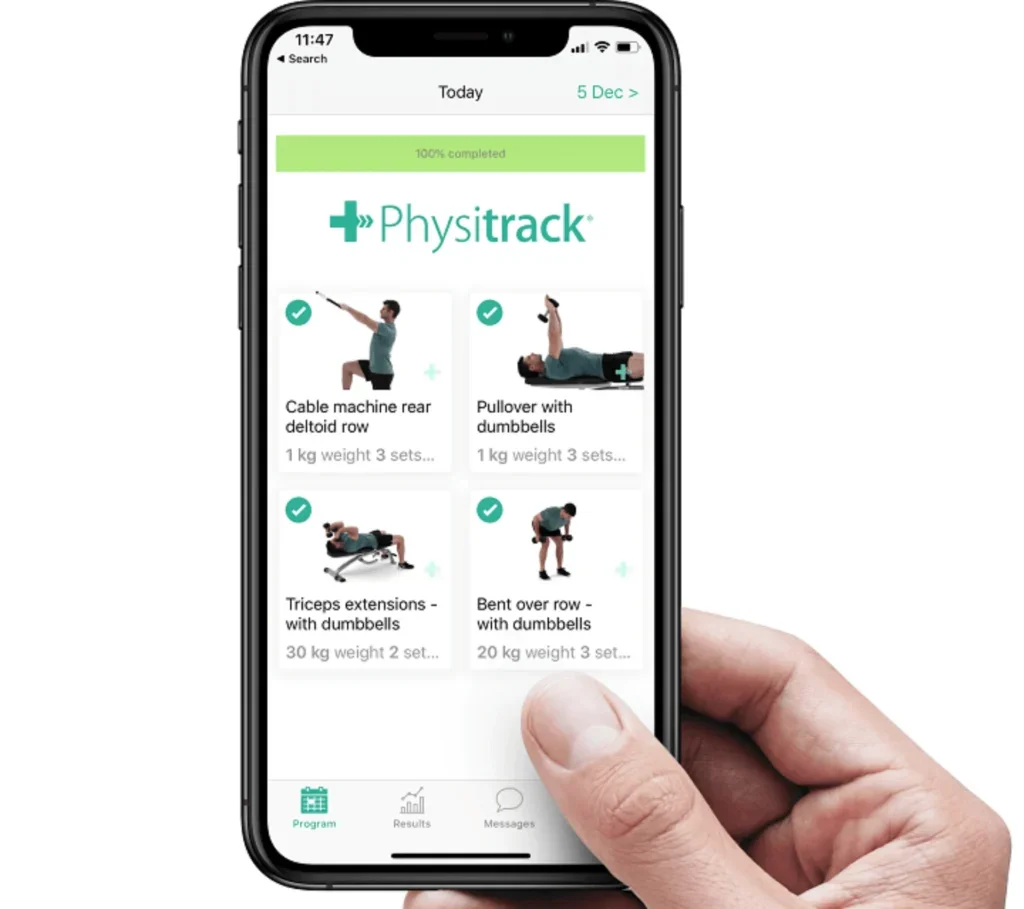
At FPS Physio, we use Physitrack, which is a digital health platform for clinicians to create and manage exercise programs. The patient app, PhysiApp, delivers personalised home exercise programs with video instructions enabling patients to rehabilitation their injuries at home, the local gym or the local park. The app bridges the gap between appointments, as it include exercise completion tracking whilst also enabling patients to provide real time communication directly to the physio. This enable the physio to adjust or assign different exercises to ensure that patients rehabilitate quickly.
Trigger point therapy
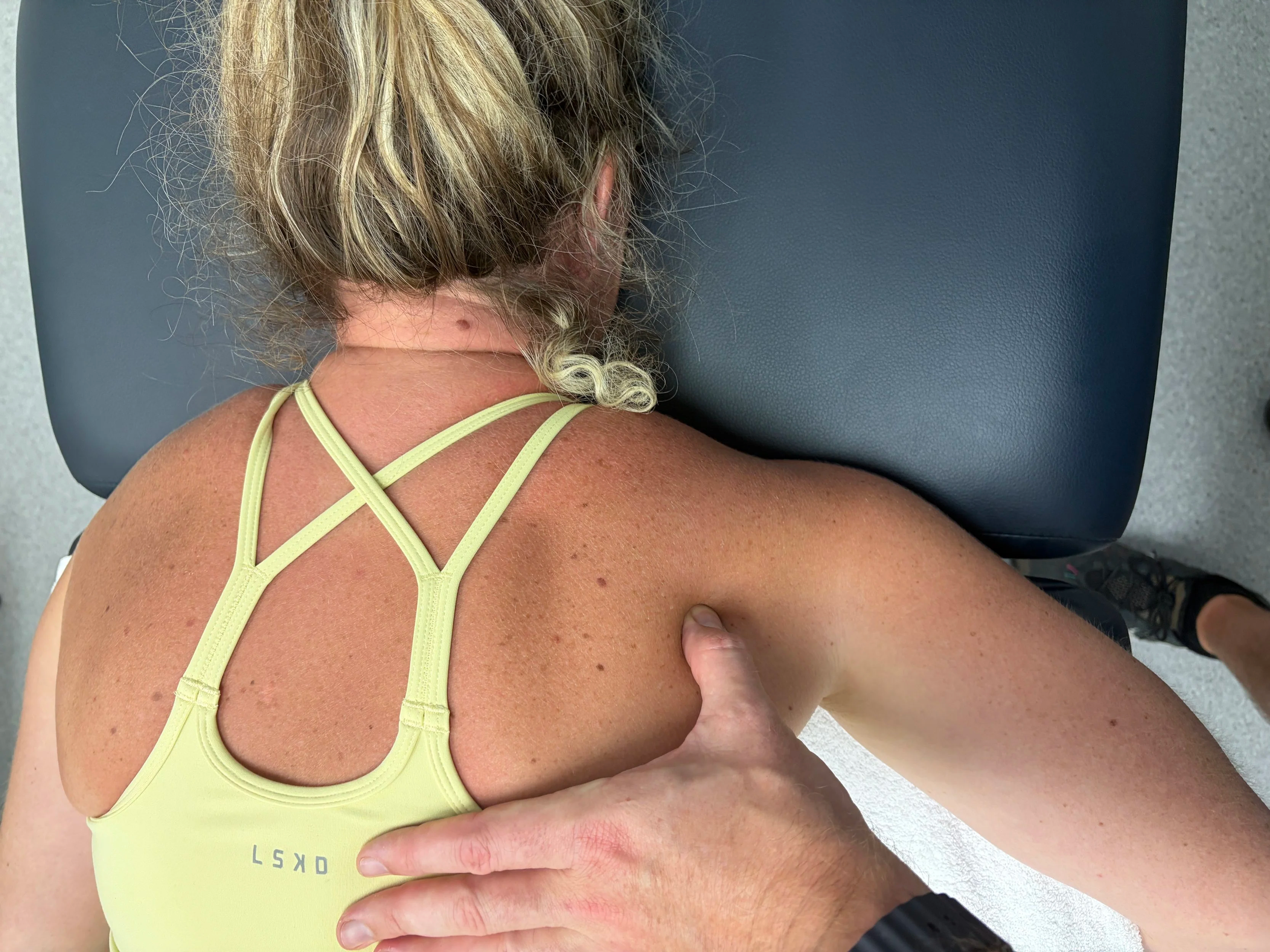
Trigger point therapy is a manual treatment aimed at identifying and releasing hyperirritable spots within muscles, known as myofascial trigger points. Myofasical trigger points cause dysfunction (restricted range of motion, muscle weakness), localised or referred pain. Typically myofascial trigger points are relieved by
Ischaemic compression which is a sustained pressure which changes blood flow to the localised area
Deep stroking or friction massage: used along the muscle fibres to break up adhesions and reduce tightness.
Myofascial release: gentle sustained pressure and stretching of fascial and muscular restrictions.
Instrument Assisted Soft Tissue Mobilisation (IASTM)
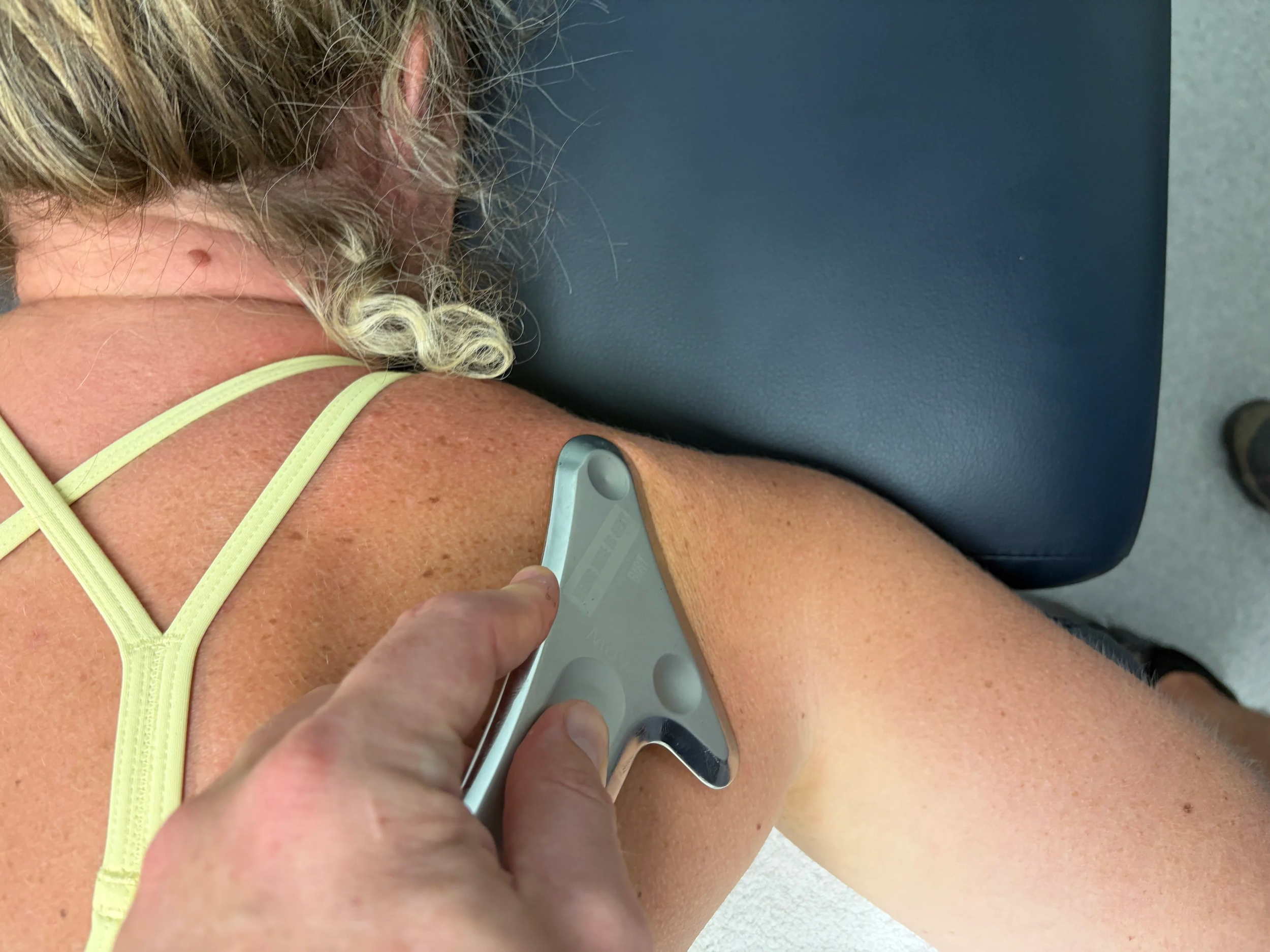
Instrument Assisted Soft Tissue Mobilisation (IASTM) is a technique that uses specialised tools to detect and treat soft tissue dysfunction. It’s commonly used to reduce pain, improve tissue mobility, break down scar tissue and speed rehabilitation after injury.
The specialised tools are smooth, ergonomically shaped instruments made of metal that help target different tissue depths and surfaces. IASTM can stimulate local circulation, promote fibroblast activity, reduce adhesions and desensitise painful tissues. IASTM can cause some local redness which is usually transient and the best results are often achieved when IASTM is combined with exercise therapy, load management, education and other modalities.
Dry Needle Therapy
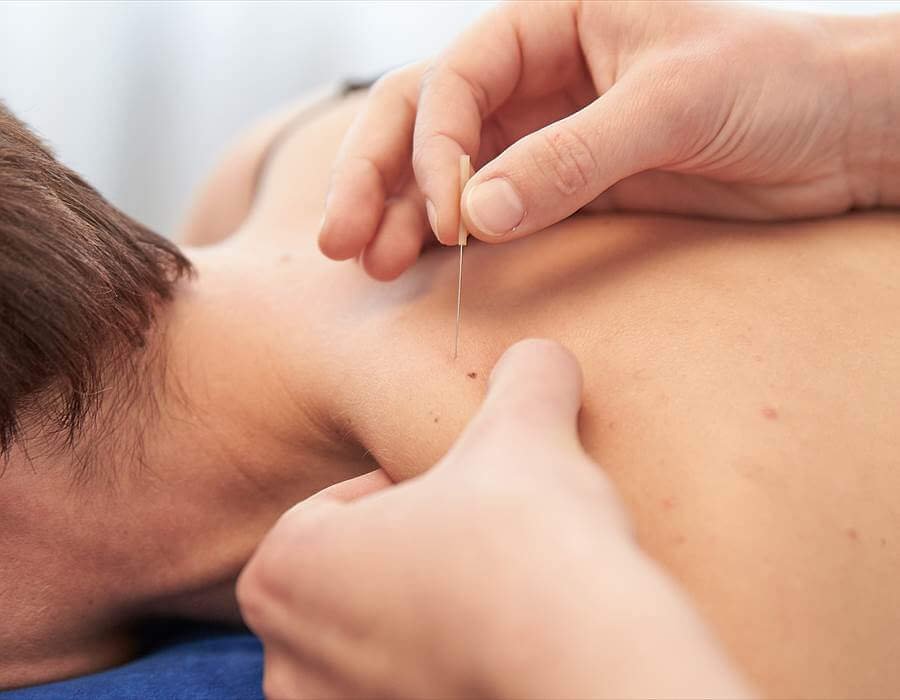
Dry needle therapy is a minimally invasive treatment that uses acupuncture needles to target myofascial trigger points. The needle disrupts dysfunctional muscle fibres and local contracture knots, allowing fibres to relax. Furthermore the needle may cause a local twitch response and alters pain signalling by modulating nociceptor activity and central pain processing (descending inhibitory pathways).
Dry needling requires an appropriately accredited and skilled practitioner (physiotherapists, doctors or other regulated practitioners) to minimise risk of adverse events occuring.